











The DLP Myth: Data Breaches Hit Record Costs Despite Heavy Investments
In 2024, the global average cost of a data breach reached $4.9 million, marking a 10% increase from the prior year, with 95% of incidents traced to human error. By 2025, that figure dipped slightly to $4.44 million, but the decline was driven by marginal improvements in detection speed, not prevention efficacy. Meanwhile, 85% of organizations reported at least one data loss event in the past year, with unstructured data—comprising 90% of new enterprise information—fueling the chaos as it grows three times faster than structured data. Ransomware and extortion attacks, often bypassing traditional safeguards, were involved in 235 major breaches in 2024 alone. These aren't anomalies; they're the norm in a landscape where insider-driven data losses have surged, even as 72% of firms increased DLP budgets.
CISOs Unmask DLP: Notification Over Prevention
Security leaders aren't mincing words. One high-profile CISO declaration circulating widely: "DLP is a myth told by security software vendors—none of them prevent data loss, more like data loss notification." This sentiment echoes across forums, with Reddit users in cybersecurity communities reporting that DLP implementations are plagued by false positives, exorbitant costs, and minimal impact on deliberate exfiltration. Another prevalent view: "The reality is if you have a malicious employee, they will exfil data. DLP programs are mostly to educate benign users and prevent accidental data loss, then catch a bad actor if you're lucky." Professionals confirm DLP excels at flagging accidental disclosures but falters against sophisticated threats, with one expert noting it's "horrible at stopping threat actors from exfiltrating data." News reports reinforce this: Legacy DLP tools miss 70% of leaks in browser-based SaaS and AI environments, rendering them ineffective against modern exfiltration vectors like browser vulnerabilities
“ "The reality is if you have a malicious employee, they will exfil data. DLP programs are mostly to educate benign users and prevent accidental data loss, then catch a bad actor if you're lucky."”
Post in Cybersecurity Forum

Insider Threats Exploit Legacy DLP Gaps
Data from 2025 shows only 35% of organizations fully recover from breaches, with recovery often exceeding 100 days. Traditional DLP fails here because it relies on manual rules and static policies, generating 73% false positives while overlooking 60% of data movements in cloud and AI workflows. Enterprises face "widespread governance failures" in AI data security, with just 17% implementing automated controls like DLP scanning for AI flows. Reddit threads highlight real-world frustrations: One sysadmin described an endpoint DLP policy that "in theory" blocks USB transfers but routinely fails in practice. Another pointed out that browser-based inputs render DLP ineffective without advanced logging. As one report states, "DLP solutions are essential... yet, our report uncovered great difficulties enterprise security teams face due to DLP failures."
MIND's Autonomous DLP: Automation at Machine Speed
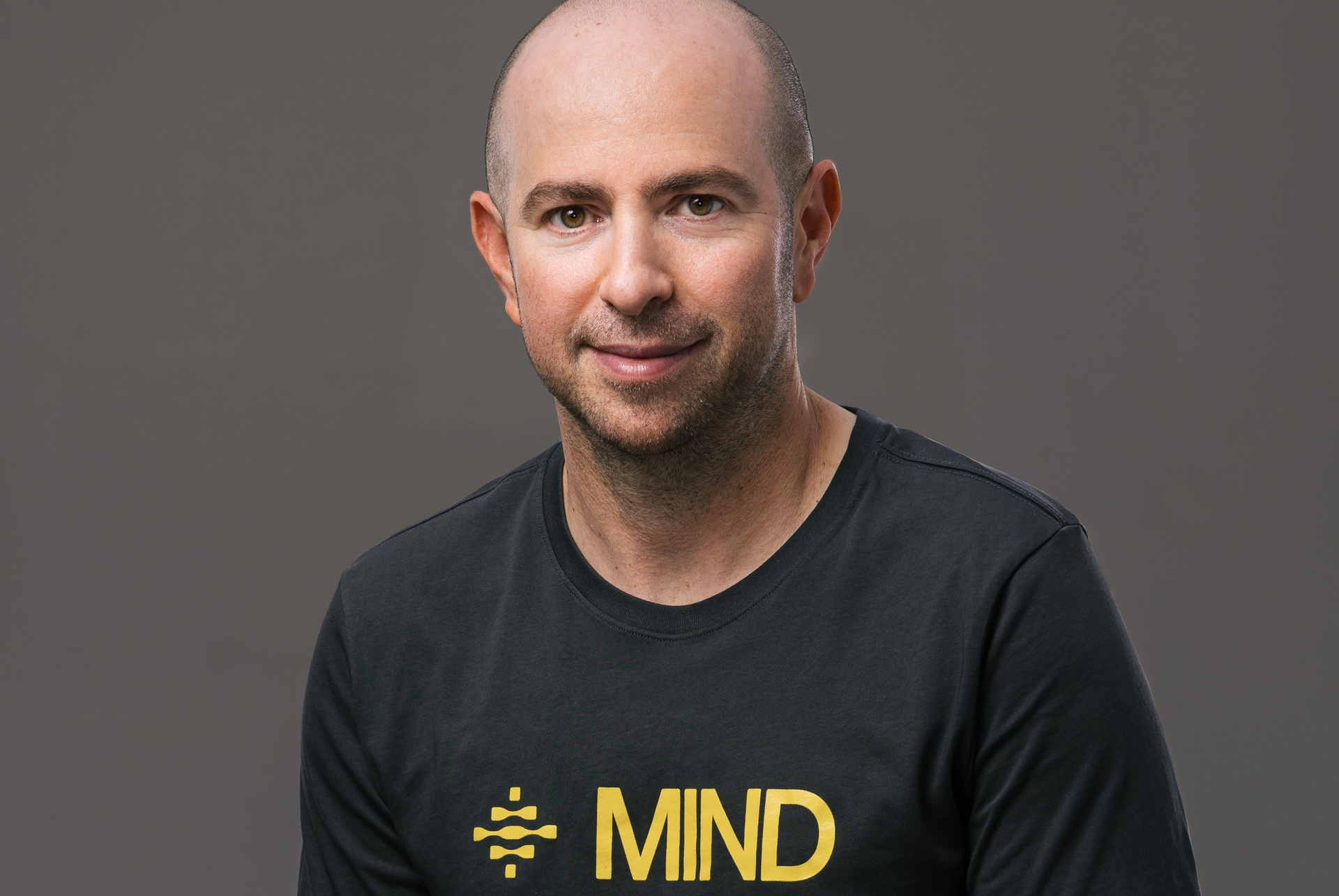
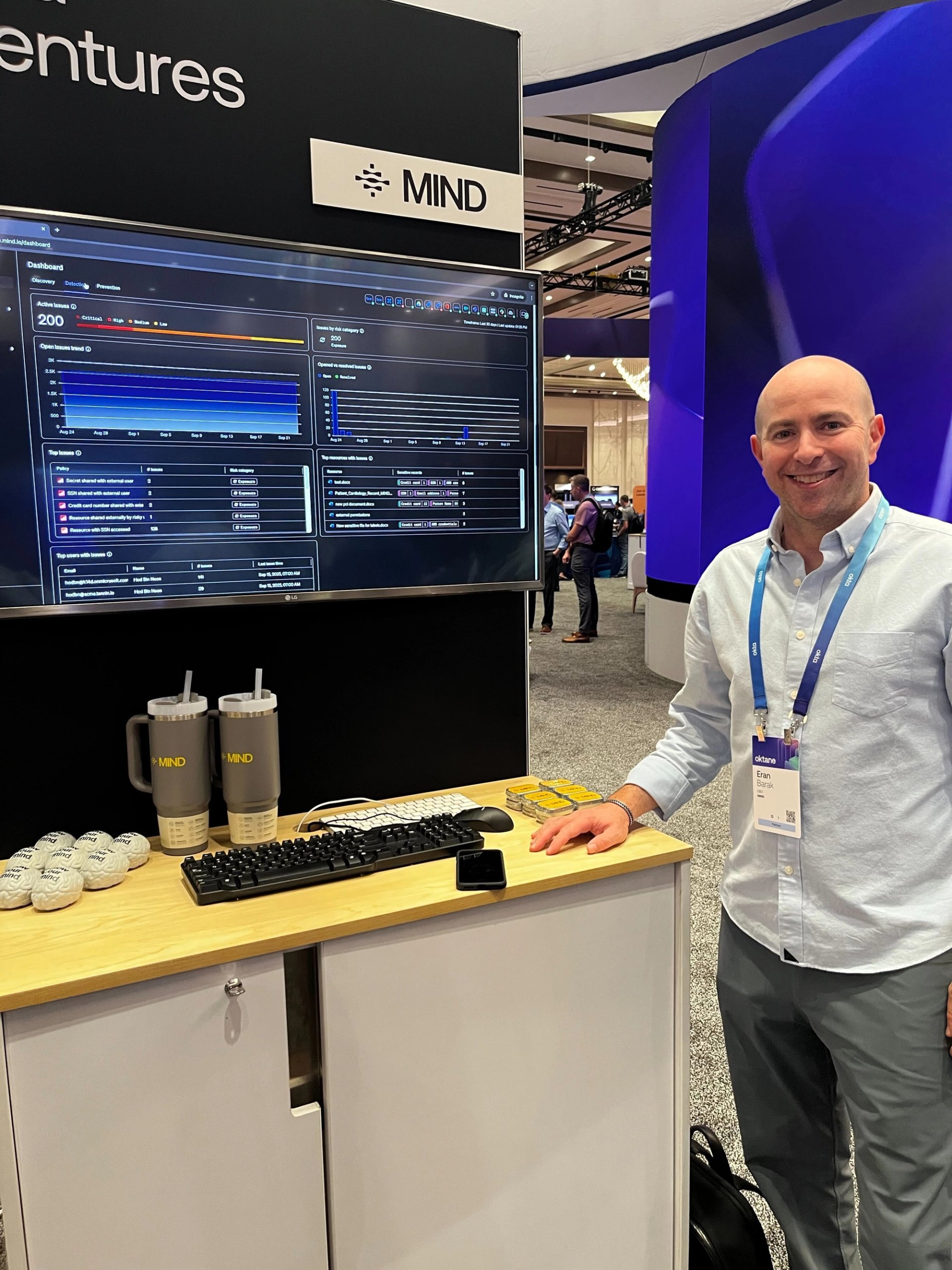
MIND addresses these failures head-on with the first autonomous DLP platform, automating identification, monitoring, and prevention across SaaS, endpoints, email, and GenAI apps. Co-founder and CEO Eran Barak explains: "DLP has been a compliance checkbox for far too long. Security teams need a tool that actually protects sensitive data, not just proves compliance." Unlike rule-based systems prone to false positives, MIND operates at machine speed, handling unstructured data growth and AI risks without manual intervention. CTO Itai Schwartz adds: "It's time for organizations to trust their DLP," emphasizing autopilot through simplification and automation. Recent integrations, like with Okta, enhance this: "Okta is the source of truth for who users are, and MIND is for what data matters most," says Barak. This identity-aware approach stops insider threats by correlating user behavior with data sensitivity, a capability legacy tools lack.
MIND DLP vs. Cyberhaven and Nightfall: Precision Over Promises
Competitors like Cyberhaven and Nightfall focus on behavioral analytics and AI classification, but they still demand heavy configuration and struggle with real-time autonomy in AI-driven environments. MIND differentiates by delivering both posture (discovery and classification) and prevention in one platform, protecting 73% of otherwise unprotected sensitive data. Where Cyberhaven might flag anomalies post-event, MIND prevents leaks preemptively. Nightfall's cloud-centric scanning falls short on endpoints and GenAI, areas where MIND's autonomous engine excels. As Schwartz notes, "78% of companies also struggle with their DLP"—MIND's design directly tackles this by reducing false positives and enabling trust in automated responses. Recent accolades, including RSAC 2025 Innovation Sandbox finalist status and $30 million in Series A funding, validate MIND's edge in a market where others lag.
Practical Steps to Bolster DLP—Even Without MIND
To counter DLP myths, prioritize automation over manual rules: Audit your current setup for false positive rates above 50% and replace static policies with dynamic, AI-adaptive ones. Integrate identity management—like Okta pairings—to track "who" accesses "what," closing insider gaps. Focus on unstructured data discovery, as 90% of breaches involve it; use tools that scan SaaS and AI flows continuously. Test for browser vulnerabilities by simulating exfiltration— if your DLP misses 70% of in-browser leaks, upgrade to endpoint-inclusive solutions. Finally, measure success by breach reduction, not just compliance checks: Aim for under 100-day recovery times by automating remediation. These tactics apply universally, strengthening defenses regardless of vendor choice.
Citations
- Cost of a Data Breach Report 2025 - IBM
- 110+ of the Latest Data Breach Statistics to Know for 2026 & Beyond
- Autonomous DLP | MIND
- Unstructured Data: Five Key Statistics You Need to Know
- Health care had most reported cyberthreats in 2024 | AHA News
- Data Loss Prevention Market Size to Attain USD 21 Bn by 2034
- Insider Threat Statistics 2025: Costs, Trends & Defense
- What DLP are you using? : r/cybersecurity - Reddit
- What DLP are you using? : r/cybersecurity - Reddit (additional sentiment)
- You're not alone: 78% of companies also struggle with their DLP
- Your SaaS Data Isn't Safe: Why Traditional DLP Solutions Fail in the ...
- Browser Data Loss Prevention (DLP) | Keep Aware
- 110+ of the Latest Data Breach Statistics to Know for 2026 & Beyond
- Cost of a Data Breach Report 2025 - IBM
- Survey shows 'widespread governance failures' in AI data security
- Autonomous DLP | MIND
- MIND Launches the First Autonomous DLP Platform, Delivering ...
- MIND Integrates with Okta to Stop Insider Threats - Morningstar
- MIND Launches the First Autonomous DLP Platform, Delivering ...
- Cyberhaven vs Teramind DLP 2025 | Gartner Peer Insights
- Cyberhaven vs MIND comparison - PeerSpot
- Mimecast Incydr vs. Cyberhaven: The 2025 Showdown - Teramind
- The 10 Best DLP Solutions & Vendors in 2025 - Kitecyber
- Compare Nightfall
- You're not alone: 78% of companies also struggle with their DLP
- MIND Selected as Top 10 Finalist for RSAC™ 2025 Conference ...